





When the seasons change, it’s a good idea to give your car a little attention. Refreshing essential fluids and filters, cleaning the interior and exterior, and giving everything a good seasonal inspection will ensure you’re set up for performance and longevity.
Here are some of our top spring car care tips to help you keep your vehicle in great shape for the road ahead!
Refresh Your Fluids and Filters for Optimal Performance
Two key components keep your engine running smoothly: filters and fluids.
Filters protect your vehicle’s engine and systems from harmful contaminants. Air filters capture dust and debris that would otherwise damage your engine, while oil filters remove impurities from engine oil to maintain proper lubrication. Regular filter maintenance ensures optimal vehicle performance. We recommend replacing your air filters every 12,000-15,000 miles. Your oil filter should be replaced with every oil change, which most manufacturers recommend every 5,000-7,500 miles.
Fluids are essential for your engine’s performance and longevity. The most important fluids are:
- Engine oil lubricates individual components and reduces friction
- Transmission fluid allows for smooth gear shifts
- Coolant regulates temperature and prevents corrosion
- Brake fluid ensures reliable braking
Regular car fluid checks and replacements keep all systems functioning properly. Most of these will be checked at your oil change appointment, but if you notice any changes with your car’s brake system, transmission, or overall performance, there’s a chance your fluids need some attention.
Clean and Protect Your Car’s Exterior and Interior
Did you know that washing your car can actually protect it? It’s true!
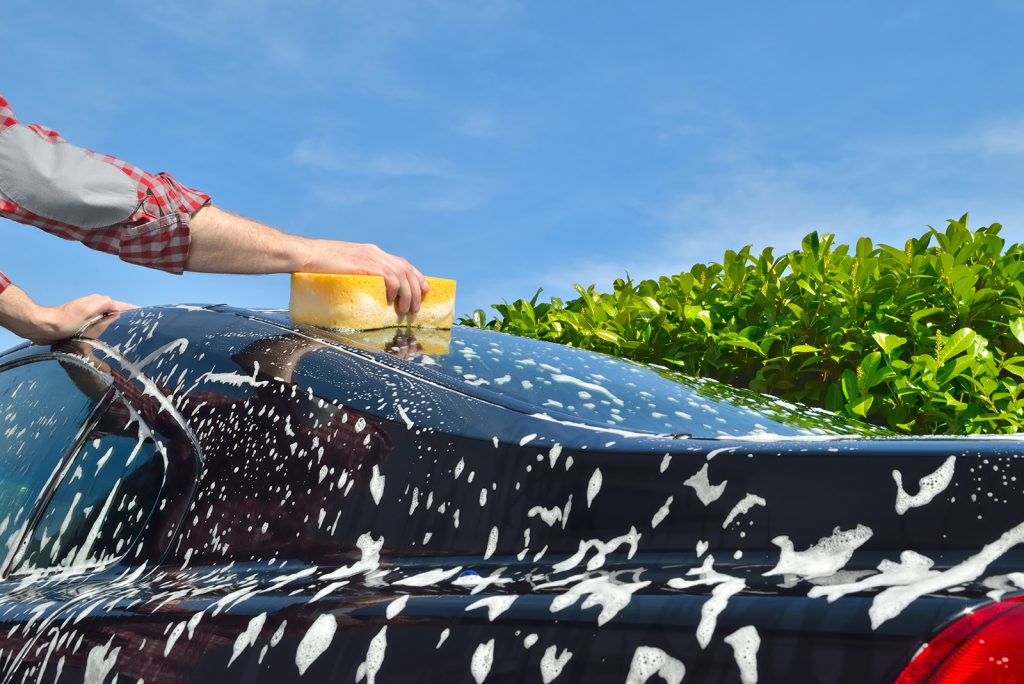
You can protect your car’s paint by regularly washing your car. This prevents damaging elements like dust, dirt, bird droppings, and tree sap from deteriorating the paint and causing rust.
A clean, well-maintained exterior also increases your vehicle’s resale value. Potential buyers are more likely to pay higher prices for cars that are well-cared for, meaning regular washing could seriously pay off.
Our Recommendations:
- Schedule regular washes and Spring car cleaning to keep your vehicle looking great and prevent damage
- Use quality car-specific products
- Apply wax and sealants regularly to protect the paint
- Adjust your washing routine seasonally to address specific weather-related challenges
Cleaning the Interior of Your Car
Just like taking care of the outside of your car, cleaning the inside has benefits, too! Here are some tips you can follow to keep your car’s interior neat and clean:
- Use floor mats to prevent dirt from being ground into the carpets.
- Add seat covers to protect your upholstery and customize your vehicle’s appearance.
- Vacuum your car interior frequently, using small brush attachments to reach cracks and crevices. Don’t forget to clean under the seats and mats to remove hidden dirt and crumbs.
- In hot weather, leave windows slightly open to let hot air escape. This prevents heat buildup that can damage and dry out interior components.
- For leather seats, apply gentle oil quarterly or monthly to prevent drying, cracking, and discoloration. But be sure to avoid vinyl or petroleum-based products. For cloth seats, use the appropriate cleaners and spot treatments as needed.
- Clean interior glass surfaces regularly with glass cleaner and soft terrycloth towels.
Test Your Battery and Essential Electrical Components
Your battery and your car’s electrical systems keep you running, so it’s important to check your car battery and other essential components regularly.
Your car will probably let you know when your battery is failing. Slow engine cranking and, of course, illuminated battery warning lights on your dashboard are signs to check your car battery.
But there are things you can do to get the most out of your battery. Inspect the battery terminals regularly for corrosion and clean them with a baking soda and water solution. Additionally, make sure that connections are tight and check the battery case for damage. You can also test voltage periodically. A healthy battery should read approximately 12.6 volts or higher when the engine is off.
In hot weather, battery fluid can evaporate and cause damage, so we recommend parking in shady areas when possible. Cold weather accelerates battery discharge, so when temps fall below freezing, a thermal blanket can help maintain battery function.
You can test your battery at home by using a multimeter to measure voltage (12.6V+ indicates good condition). For a simple load test, turn the headlights on with the engine off for a few minutes, then check the voltage. If there’s a significant drop, you may need to replace your battery soon.
Tackle Your Spring Car Maintenance at Sumter Chrysler Dodge Jeep Ram!
No time to do your spring vehicle maintenance? Let the experts at our Service Center take care of it! Our team of certified technicians can handle everything from spring maintenance to major repairs. And with our service specials, you can save on car maintenance in Sumter, SC.
Schedule your appointment today!
Connect with us


- June 2026
- May 2026
- April 2026
- March 2026
- February 2026
- January 2026
- December 2025
- November 2025
- October 2025
- September 2025
- August 2025
- July 2025
- June 2025
- May 2025
- April 2025
- March 2025
- February 2025
- January 2025
- December 2024
- November 2024
- October 2024
- September 2024
- August 2024
- July 2024
- June 2024
- May 2024
- April 2024
- March 2024
- February 2024
- January 2024
- December 2023
- December 2022
- November 2022
- October 2022
- September 2022
- August 2022
- July 2022
- June 2022
- May 2022
- April 2022
- March 2022
- February 2022
- January 2022
- November 2021
- October 2021
- September 2021
Archives
- 2021 Dodge Challenger
- 2021 Jeep Gladiator
- 2022 Dodge Challenger SRT
- 2022 Dodge Durango SRT 392
- 2022 Dodge Muscle Cars
- 2022 Grand Cherokee WK
- 2022 Jeep Compass
- 2022 Jeep Gladiator
- 2022 Jeep Grand Cherokee
- 2022 Jeep Wrangler
- 2022 RAM Truck
- 2022 RAM Trucks
- 2023 Jeep Grand Wagoneer
- 2023 Jeep Wrangler
- 2023 RAM 1500
- 2023 RAM 2500 Heavy Duty Rebel Off-Roader
- 2024 Chrysler Pacifica
- 2024 Dodge Charger Daytona EV
- 2024 Dodge Hornet
- 2024 Jeep Grand Cherokee
- 2024 Jeep Grand Cherokee
- 2024 Jeep Wrangler Trims: Pick Your Perfect Off-Road Companion
- 2024 Ram 1500 TRX
- 2025
- 2025 Dodge Durango SRT Hellcat Hammerhead
- 2025 Electric Jeep
- 2025 Jeep Compass
- 2025 Jeep Grand Cherokee
- 2025 Jeep Wagoneer S
- 2025 Jeep Wrangler
- 2025 Jeep Wrangler 4xe Backcountry
- 2025 Ram 1500
- 2025 Ram 1500 Ramcharger
- 2025 Ram 1500 Rebel X
- 2025 Ram 1500 RHO
- 2025 Ram ProMaster EV
- 2026 Compass
- 2026 Dodge Charger
- 2026 Dodge Durango
- 2026 Durango R/T 392
- 2026 Jeep Cherokee
- 2026 Jeep Cherokee Overland
- 2026 Jeep Grand Cherokee
- 2026 Jeep Grand Wagoneer
- 2026 Jeep Recon
- 2026 Ram 1500 America250
- 2026 Ram 1500: HEMI® V8
- 2026 Ram 2500 Black Express
- 2026 Ram 2500 Warlock
- 2026 Wrangler America250
- 2027 Ram ProMaster City
- 4×4 Day
- AWD vs. 4WD
- Car Care Tips
- Car Loan
- Cash Allowance
- Chrysler Pacifica
- Chrysler Pacifica FAV Edition
- Chrysler Pacifica Plug-In
- Credit Score
- Diesel Engines
- Dodge Charger Daytona R/T
- Dodge Charger Scat Pack
- Dodge Durango
- Dodge RAM Service
- HEMI-Powered 2025 Jeep Wrangler 392 Final Edition
- Jeep
- Jeep Cherokee
- Jeep Compass
- Jeep for Off-Road Adventures
- Jeep Gladiator Willys ‘41
- Jeep Grand Cherokee
- Jeep Grand Cherokee L
- Jeep Maintenance Tips
- Jeep Renegade
- Jeep Wagoneer
- Jeep Wrangler vs. Jeep Gladiator
- Jeep Wrangler Whitecap
- Jeep Wrangler Willys Edition
- New Car
- New Jeep Wagoneer Editions
- New Orange Wrangler and Gladiator
- Quality Auto Service
- RAM 1500
- Ram 1500 Ramcharger
- Ram 1500 vs 2500 Towing Power
- Ram 3500
- Ram 3500 Heavy-Duty
- Ram Dakota
- Ram Lunar Editions
- Ram SRT TRX
- RAM Truck
- Ramcharger vs Ram 1500 REV
- SIXPACK Dodge Charger
- Uncategorized
- Winter Car Care